What is Pigeon Pose?
The pigeon pose is an asana that blends strength, flexibility, and balance. The pigeon's beautiful pose, which mimics the body's contour in this pose, inspired the name of this posture.
The pigeon pose, a.k .a. 'The King of Hip Openers,' enhances flexibility and releases tightness of the hips. In addition, it stretches the glutes, thighs, and back, which makes it an excellent option for people with sedentary lives. The pigeon pose not only improves physical health but also fosters emotional release. This pose helps practitioners release negative and emotional stress by focusing on the hips, where we typically hold emotional strain.
In this article, we'll explore the power of this yoga pose and learn how this posture may improve our general well-being.
| Pose Name | Sanskrit Name | Difficulty Level | Primary Muscles Targeted | Main Benefits |
| Pigeon Pose | Eka Pada Rajakapotasana | Intermediate | Glutes & Piriformis | Deep Hip Opening |
| Yoga Category | Hip Opener / Forward Bend | Moderate–Challenging | Hip Flexors & Psoas | Improves Flexibility |
| Main Focus Area | Hips & Thighs | Beginner Modifications Available | Thighs & Groin | Emotional Release |
| Common Name | King of Hip Openers | Requires Patience | Lower Back | Reduces Stress |
| Additional Benefits | Digestive Stimulation | Best Held 30+ Seconds | Core (light engagement) | Improves Posture |
Benefits of Pigeon Pose
Improves hip mobility
The capacity of the pigeon to open and extend the hips profoundly is one of its main advantages. Numerous individuals endure extended periods of sitting, which may result in hip flexor stiffness and tightness. Relieving tension in the hips, groin, and glutes helps counterbalance the consequences of extended sitting.
Release emotional pain
We tend to retain emotional strain and trauma in our hips, which are referred to as the "emotional junk drawer" of the body. This posture provides an exceptional chance to let go of these pent-up feelings, enabling a profound sense of mental and emotional release. While maintaining the pose, concentrate on releasing tension and negativity to make room for good energy.
Enhanced flexibility
This position can significantly increase flexibility, especially in the lower back, thighs, and hips, when practiced regularly. As your practice becomes more advanced, you'll experience more range of motion and ease of movement in your daily tasks. Increased flexibility has been linked to improved posture and a lower chance of injury.
Calms the mind
The pigeon pose is an excellent technique for relaxing the mind and lowering tension. This pose helps to bring forth a sense of serenity and tranquillity by requiring deep stretching and focus. Regularly performing this pose can help reduce anxiety, encourage relaxation, and enhance mental health in general.
Promotes digestion
Pigeons squeeze and twist deeply, stimulating the digestive organs and enhancing cleansing and digestion. This stance can ease constipation, bloating, and other digestive problems. It promotes regular elimination and digestion, which helps the body's detoxification and intestinal health in general.
Strengthens the core
Although the main advantage of this position is stretching, it also works and improves the muscles in the lower body and core. The abs, glutes, and quadriceps work while you balance in this pose, strengthening and stabilizing these muscles.
How to Do Pigeon Pose
- Start on all fours in a tabletop position.
- Bring your right knee forward, placing it behind your right wrist, with your right shin angled across the mat.
- Extend your left leg straight back behind you, keeping the top of the foot resting on the mat.
- Square your hips as evenly as possible toward the front of the mat.
- Walk your hands forward and lower down onto your forearms, or fold further if comfortable.
- Keep your neck relaxed and breathe steadily, holding for 30 seconds to a few minutes.
- Slowly walk your hands back, lift up, and repeat on the other side.
Be aware of your body and adjust the pose as needed. In case of hips or knee injury, it's crucial to perform the pose under the guidance of a certified yoga instructor or you can join our 200 hour yoga teacher training course for a better understanding of all the yoga poses.
Preparation for the pigeon pose
It's crucial to get your body warmed and prepared before attempting this pose. Warm up your muscles and joints with sun salutations or light stretches.
The eye of the needle stretch also prepares the individual for the pigeon pose. It is often referred to as the Supine Pigeon. This is an effective warm-up exercise if the hips are incredibly tight. Form a figure-four with your right ankle crossed over your left thigh while lying on your back. Feel an intense stretch in your right hip and glute as you slowly bring your left knee to your chest. Continue on the opposite side.
Why Pigeon Pose Feels So Challenging
Pigeon Pose has a reputation for being intense, and there's a clear reason why: it targets the glutes and hip muscles, which for most people carrying a sedentary lifestyle are some of the tightest, least mobile areas of the body. Because these muscles rarely get stretched or strengthened through everyday movement, holding correct alignment in Pigeon Pose can feel demanding even for experienced practitioners. This is completely normal, and it's part of why the pose is so effective — it's working exactly the areas that need it most.
Variations of Pigeon Pose
Mermaid pose
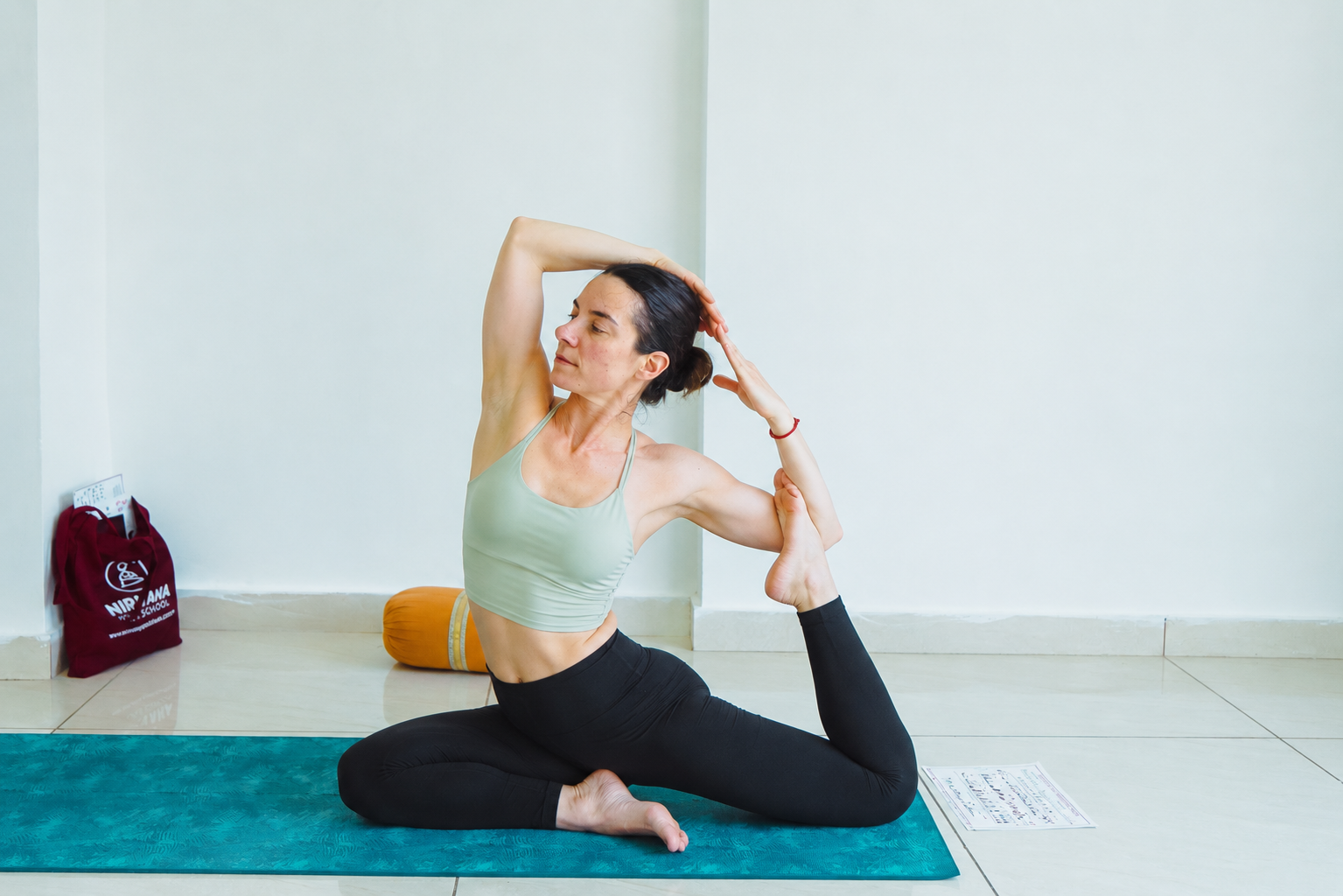
The mermaid pose is a more advanced version of the pigeon position that allows for a deep backbend and stretch. For instance, come to pigeon pose. Bend your back knee and grip onto your left foot. Place your left foot in the bend of your elbow. Raise your right arm and bring your hands together.
Pigeon Pose Twist
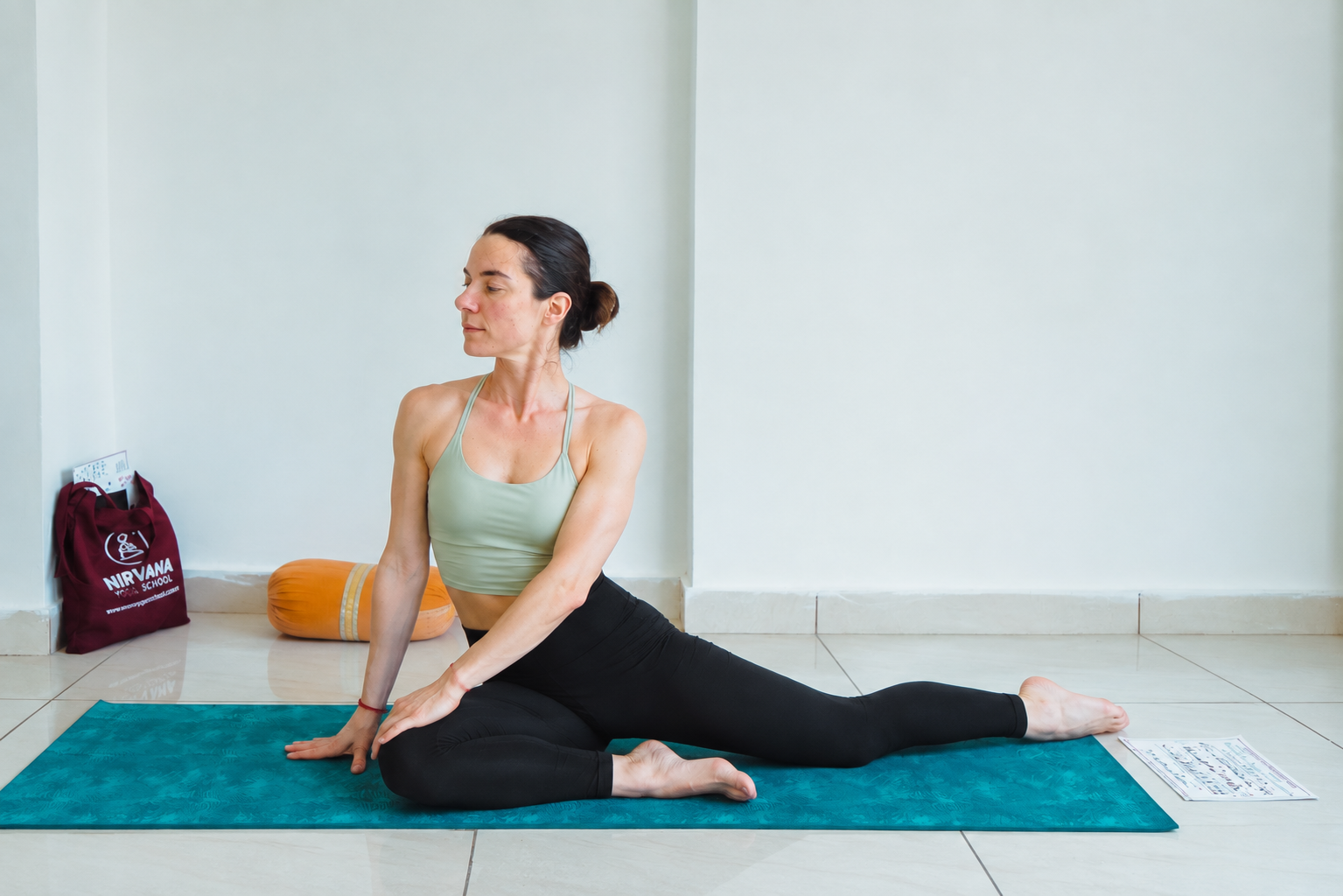
Come to the basic pigeon pose. Place your left hand on the floor near your right foot to add a twist. Rotate your body to the right and open your chest to the ceiling. Raise your right elbow towards the top, gently twisting your back. Hold for a few breaths, and switch to the opposite side.
| Feature | Pigeon Pose | Sleeping Swan |
| Difficulty | Intermediate | Beginner Friendly |
| Muscle Engagement | Active | Passive |
| Typical Hold Time | 30 seconds–1 minute | 2–5 minutes |
| Best For | Active hip opening | Deep connective tissue release |
| Prop Use | Optional | Often recommended (bolster/blanket) |
Pigeon Pose Muscles Worked
The intensity of Pigeon Pose comes from how many areas it stretches at once:
- Glutes — the front leg's rotation deeply targets the glute muscles
- Piriformis — a small but often tight muscle deep in the glutes
- Hip Flexors and Psoas — lengthened through the extended back leg
- Thighs and Groin — stretched as the hips open and settle
- Lower Back — gently released as hip tension eases
Precautions and Modifications
Although pigeon pose has many advantages, one should practice and make the appropriate adjustments to ensure comfort and safety. The following adjustments and safety measures must be noted:
Guidance of an expert: It's crucial to speak with a certified yoga instructor before attempting the posture if you have hip or knee issues. They can advise you on the ideal adjustments to safeguard your joints and stop more damage.
Be mindful: Back off the pose and pay attention to your body if you feel any sudden pain or discomfort. Accepting your limitations and working your way up to longer, more advanced versions is preferable.
Use props for support: To stabilize and support the body, use props like blankets or blocks. Place a block beneath your front hip to elevate the hips and reduce knee strain. Support yourself by placing your hands on the floor if the forward fold hurts. For extra comfort, one can also put a bolster under the chest.
Remember that yoga is a unique experience; therefore, your path will be distinct from others. Always pay attention to the body, and adjust the poses to fit your requirements and limitations.