So, you’ve decided to try meditation.
Great!
You can sit comfortably, close your eyes, take a deep breath and for about, maybe, three seconds, everything would feel calm before your brain kicks in again.
Now, you are back to making to-do lists, replaying random conversations, reminding you of things you forgot to do, basically everything except being quiet.
At this point, you might think meditation just isn’t for you. But the truth is, you are doing everything right, but forgetting one important piece of the puzzle: chanting mantras for meditation. If you want to learn meditation properly from experienced teachers, you can explore our yoga courses in Rishikesh.
See, meditation is a practice that was never really meant to be a silent battle against your own thoughts. It was always meant to be guided and anchored. That anchor is a mantra.
So, in this guide, we’ll break down seven different powerful mantras for meditation in a way that actually makes sense. We’ll talk about what they mean, how they feel, and how you can use them without overthinking the process.
What is a Meditation Mantra?
A meditation mantra is basically your mind’s “calm down” button.
It’s a word, a sound, a short phrase - all-in-one that you repeat during meditation to keep your mind from running in 100 different directions at once. Because if you just sit there and try to “think about nothing,” your brain suddenly becomes very productive.
That’s where a mantra helps. Even literally, it is a tool for the mind:
- “Man” = Mind
- “Tra” = Tool
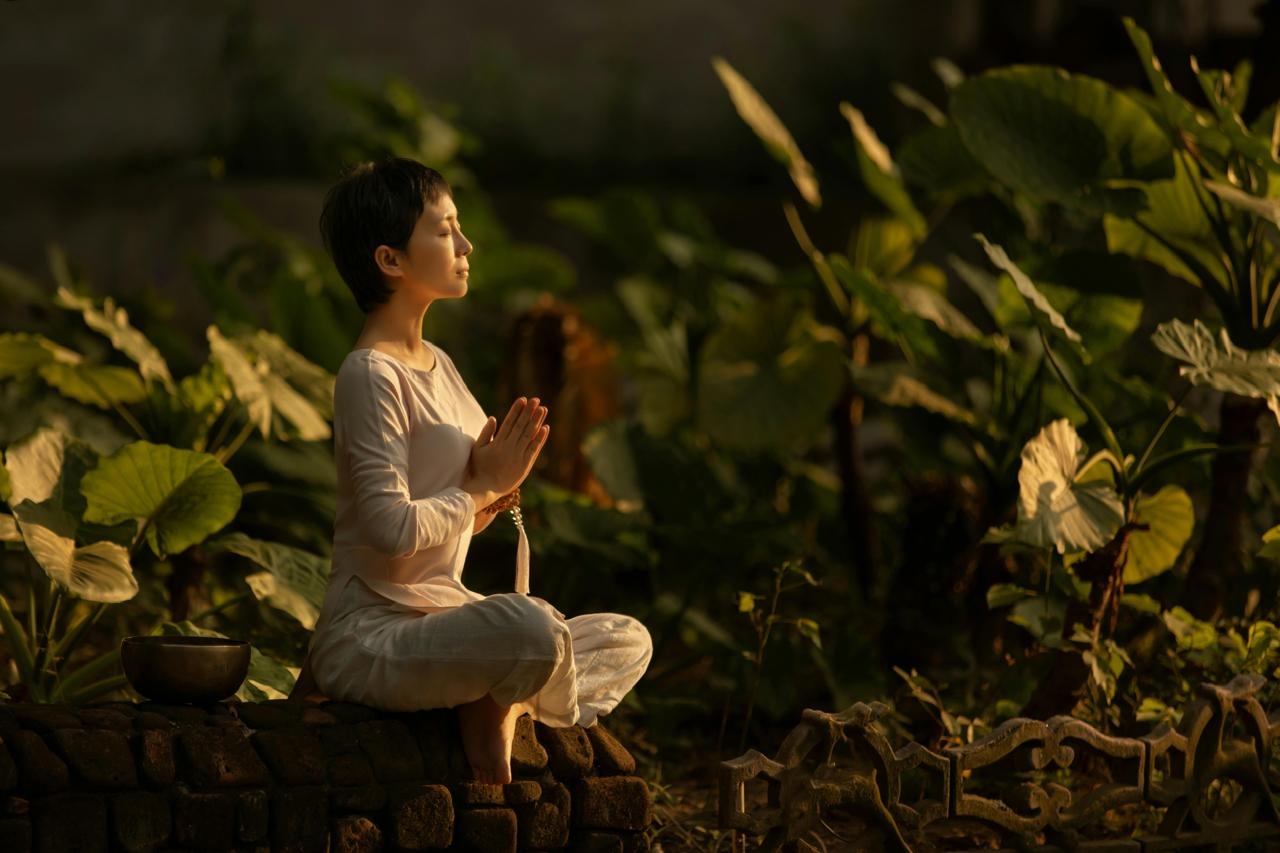
But Why Should You Use Mantras for Meditation?
It is simple: because your mind needs something to hold onto and a mantra gives it exactly that. A steady rhythm that slowly replaces the chaos. Here's what you'll start noticing when you make them a part of your practice:
- They help in quickly regaining focus whenever the mind becomes distracted.
- They help to relax both mind and body.
- They support better breathing and make it more balanced as well as steady.
- They reduce distraction from past or future concern.
- They create a sense of consistency and mental stability within the practice.
- They reduce uncertainty by providing a clear method to follow during meditation.
How To Choose Meditation Mantras for Yourself?
You can also learn how to choose and practice the right mantra through guided sessions at our yoga school in Rishikesh. Now, without ruining our focus, let’s get on with how to find the mantra that you feel is right for you:
- Start by setting your goals
- For calm, choose Om, the sound from which the universe emerged
- For focus self-realization, chant Om Namah Shivay
- For positivity, pick so hum
- For strength and resilience, go with Om Shakti Om
- Check how it feels: After 1–2 minutes, notice: do you feel slightly calmer or more focused? If yes, it works.
- Use it with your breath. Repeat it slowly, along with breathing for better results.
7 Powerful Meditation Mantras for Self-Growth and a Less Chaotic Mind.
1. Om
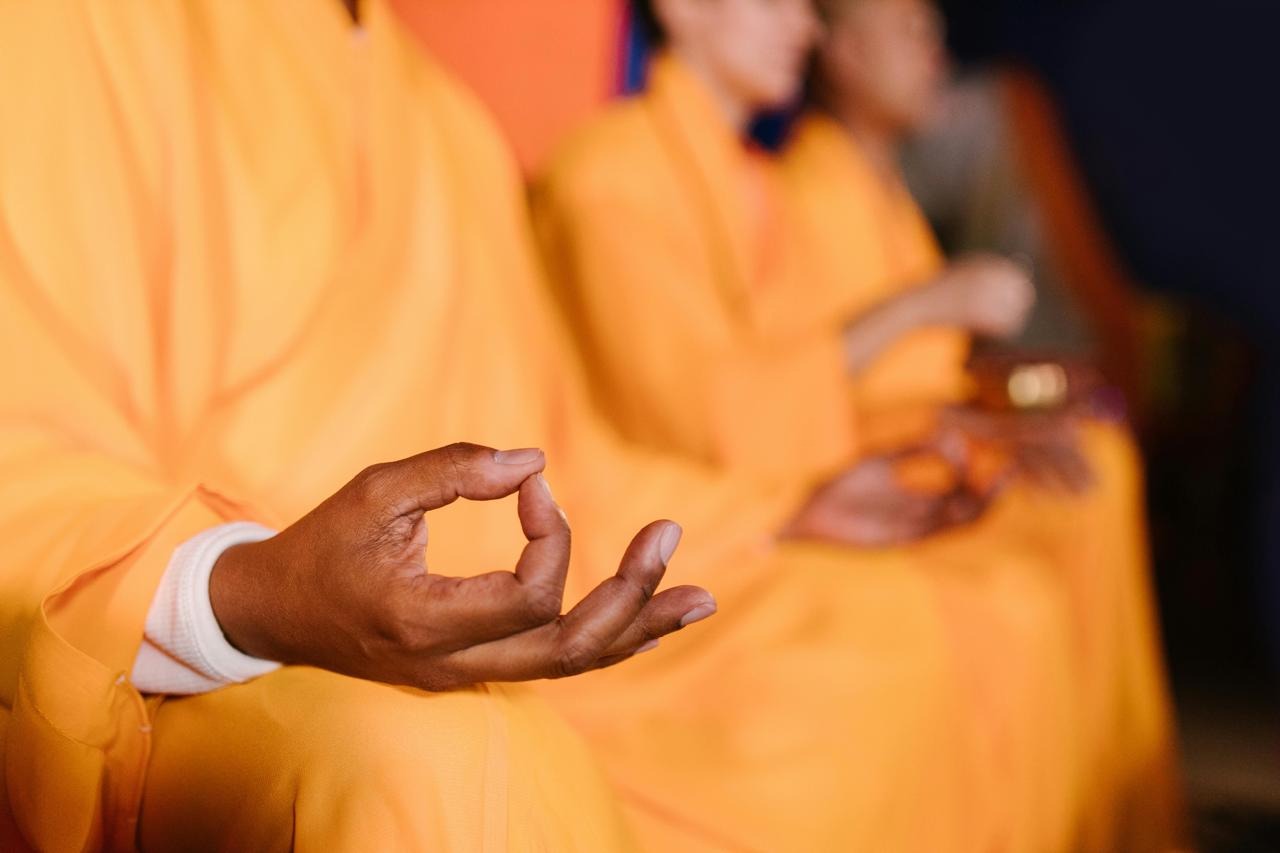
It doesn't get more classic than this. One syllable, and somehow it does more for a restless mind than an hour of trying to think about nothing. According to ancient Hindu texts, the universe is said to have emerged from this sound. No wonder then that it helps find calm in chaos.
2. So Hum
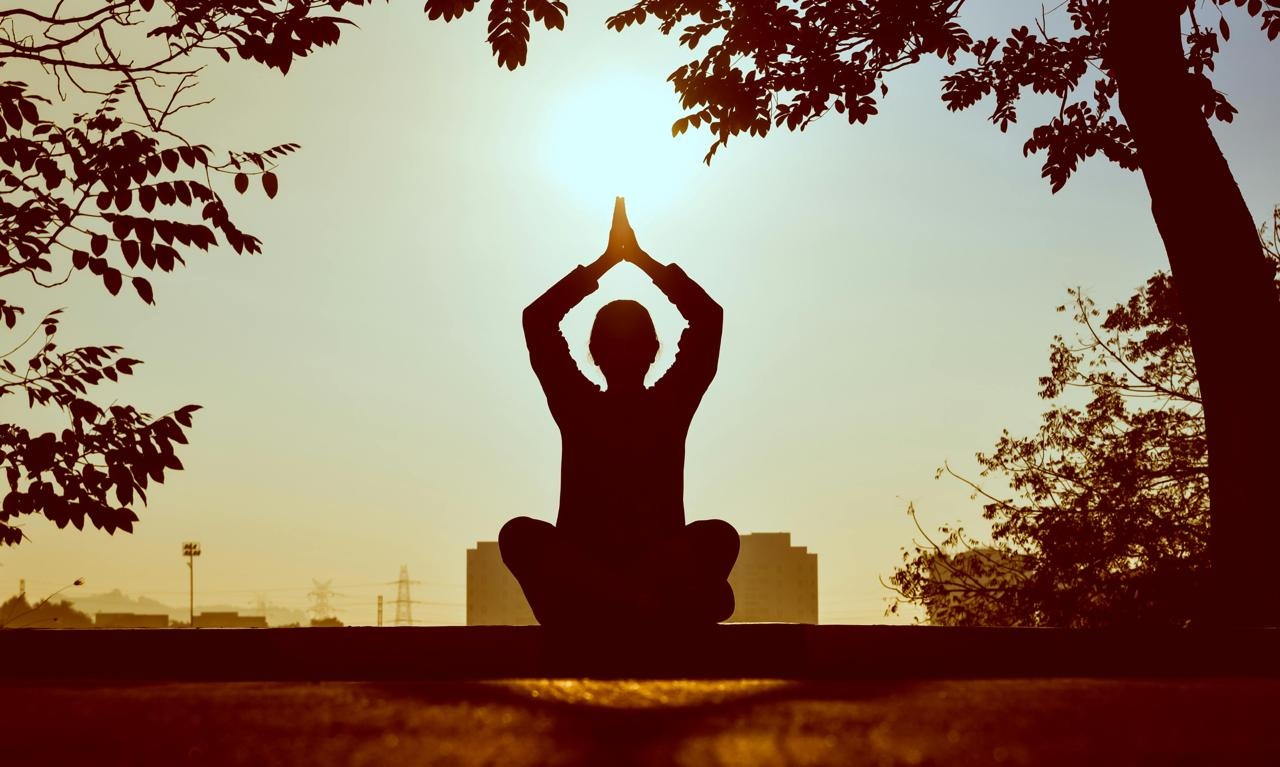
Some days when your thoughts sprint "So Hum" works exceptionally well to tame them down. You inhale on ‘So’ and exhale on ‘Hum’, and before you know it, your breath is doing half the work for you.
3. Om Shanti
Some days you're not looking for answers or breakthroughs; you just want things to feel a little quieter. That's exactly what "Om Shanti" is for. Shanti means peace in Sanskrit, and it's repeated three times in its full form: Om Shanti Shanti Shanti
Ancient texts believed disturbance comes from three places: the body, the mind, and the world around you. One "Shanti" for each.
4. Om Namah Shivaya
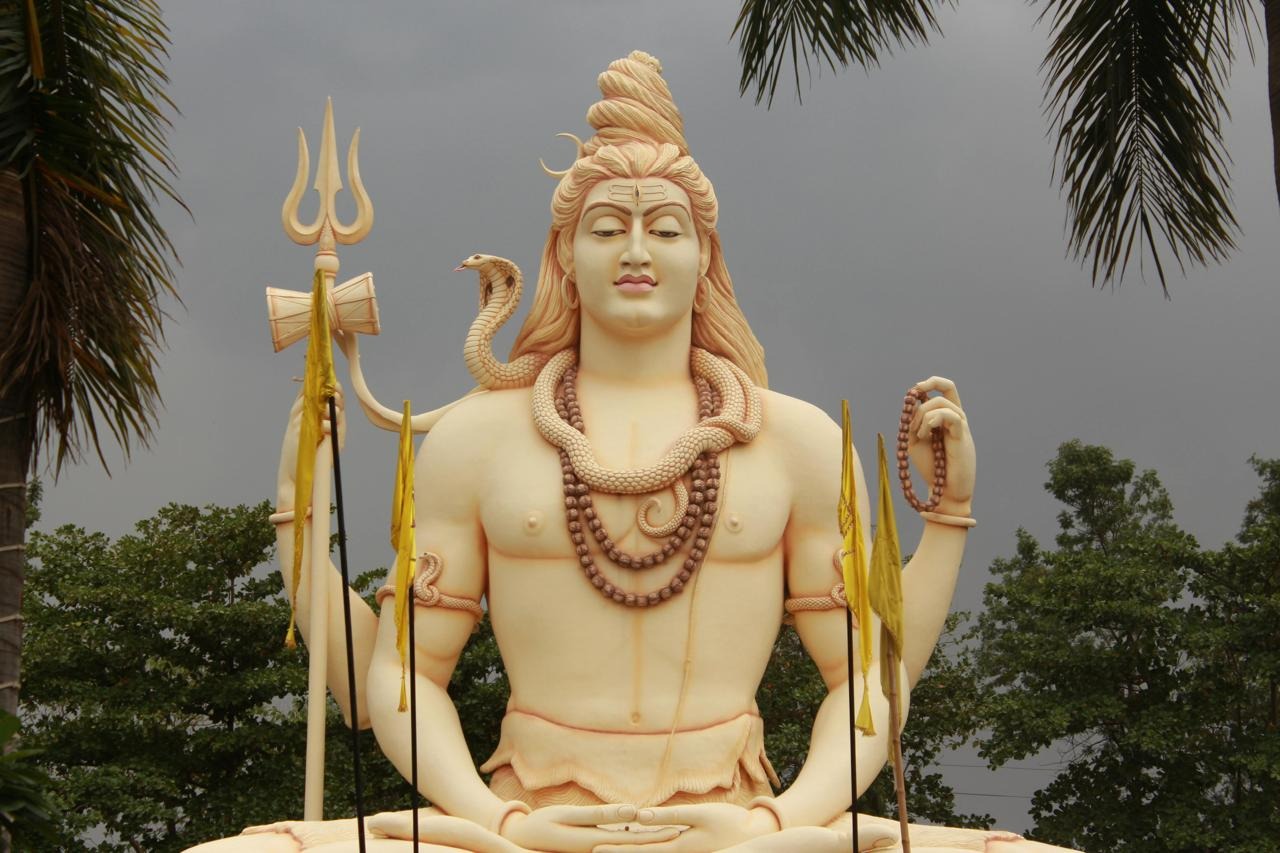
When everything feels like too much, this one hits differently. "Om Namah Shivaya" has been chanted through wars, losses, and life-altering moments for centuries. The phrase loosely translates to "I bow to Shiva," but the deeper meaning isn't really about a deity. Each syllable, Na, Ma, Shi, Va, Ya, is said to represent the five elements: earth, water, fire, air, and space. So when you chant it, you're essentially reminding yourself that you are made of the same stuff as the universe.
Fun fact: There's also an old belief that this mantra was first whispered by Shiva himself to sage Parvata, making it one of the oldest continuously chanted sounds in human history.
6. Lokah Samastah Sukhino Bhavantu

This one may sound a little long at first, but once you get used to it, it feels incredibly soothing. Lokah Samastah Sukhino Bhavantu means “May all beings everywhere be happy and free.” It’s one of those mantras that gently shifts your focus away from stress and brings in a feeling of compassion, kindness, and positive energy.
7. Personal Affirmation Mantra
Not every mantra needs to be ancient or in Sanskrit. Sometimes, the most powerful one is the one that speaks directly to what you need right now. That’s the beauty of a personal affirmation mantra: It’s completely yours.
You can keep it simple with phrases like: I am calm and peaceful, I am strong and confident, I trust myself
A More Focused Look at Different Mantras
| Mantra | Meaning | Best For |
|---|
| Om (AUM) | Sound of the universe | Beginners, focus, inner peace |
| So Hum | I am that (connection with the universe) | Mindfulness, breath awareness |
| Om Shanti | I am peace | Peace and positivity |
| Om Namah Shivaya | I bow to the divine within | Transformation, emotional healing |
| Om Shakti Om | Divine energy and power | Strength, resilience, inner power |
| Lokah Samastah Sukhino Bhavantu | May all beings be happy | Gratitude, positivity |
| Personal Affirmation | Your own intention | Confidence, motivation |
Let’s Talk About the Many Mantra Meditation Benefits
Nobody warns you that the most exhausting thing you'll do all day is exist inside your own head. Mantras work quietly against all of that, slowly giving it something better to come back to.
Mental Benefits
Your mind can sometimes feel like it has way too many tabs open. Meditation mantras help by giving your thoughts a single focus, which naturally reduces mental noise and improves concentration. When chanted with intention, they can:
- Improve focus and concentration
- Lead to less overthinking
- Reduce stress
- Offer a calmer, quieter mind
Physical Benefits
Believe it or not, calming your mind also helps your body. When stress levels reduce, your body starts to relax, too. They can:
- Help with slower and steadier breathing
- Reduce muscle tension
- Lead to better sleep quality
- Lower stress-related fatigue
Emotional Benefits
Some days, emotions can feel heavier than they should. Mantra meditation helps create emotional balance by slowing reactive thoughts and feelings. Benefits include:
- Better emotional control
- More patience
- Improved mood
- Greater inner peace
Spiritual Benefit:
This is where mantra meditation works its magic. More than relaxing, it also helps you connect more with yourself and build self-awareness. Spiritual benefits include:
- Increased self-awareness
- Inner peace
- A sense of purpose
- Deeper connection with your inner self
- Support for personal and spiritual growth
How To Practice Yoga Meditation Mantras
- Find Your “Do Not Disturb” Zone: Pick a quiet spot where no one’s going to randomly ask, “What are you doing?” mid-meditation.
- Sit Like You Mean It: Straight back, relaxed body. Go for “calm and confident,” not “stiff like a robot.”
- Pick Your Magic Word: Choose a mantra that feels easy and natural.
- Breathe: Take a few slow, deep breaths.
- Repeat, Don’t Compete: Gently repeat your mantra silently or out loud. No speed records here, just a steady rhythm.
- When Your Mind Wanders: Don’t fight it. Just bring it back like, “Hey! We were meditating, remember?”
- Show Up Daily: 10–20 minutes a day. Consistency beats perfection every single time.
Common Mistakes to Avoid While Practicing Mantra Meditation
- Trying to “empty your mind” completely
- Repeating the mantra like a machine
- Expecting instant peace or “magic results”
- Getting annoyed at distractions
- Changing your mantra every day
- Forcing concentration too hard
- Checking the time every 30 seconds
- Sitting in an uncomfortable position
Final Thoughts
If you’re serious about learning meditation and mantras, joining a traditional yoga school in Rishikesh can completely transform your experience. Nirvana Yoga School India offers authentic training with experienced teachers to help you master meditation the right way
Why Learn Mantra Meditation in Rishikesh?
If you’re going to learn meditation, why not do it somewhere that actually feels rooted in the tradition?
And what better place would that be than Rishikesh? It’s known as the Yoga Capital of the World for a reason, and once you’re there, you’ll get it.
And if you're looking for a school that actually honors the tradition of that place, Nirvana Yoga School India is worth your time. It has experienced teachers, a history of teaching exceptional yoga meditation mantras without any performance.
Frequently Asked Questions (FAQs)
Q - Is there a range of times I should repeat my meditation mantra for?
A - You don’t have to take an hour to meditate with a mantra. You can practice for as little as five to ten minutes each day and see some benefit from this; so begin with short sessions consistently and build upon them from there.
Q - Should I say my mantra aloud or in my head?
A - Both methods work well; saying your mantra aloud may help you if you’re new to the practice and are becoming comfortable with it, but saying your mantra in your head often feels much more relaxing after you’re comfortable.
Q - Can I identify other words or phrases if I don't connect with any of the Sanskrit terms for mantras?
A - It is entirely okay to identify your own personal affirmations, such as "I feel calm" or "I am strong" that will work just as effectively for you as a mantra. Therefore, the best mantra will always be the one that feels natural to you.
Q - Can I alternate between different mantras depending upon the situation?
A - Absolutely. You may use Om for relaxation, So Hum for when your thoughts are rushing or a personal affirmation when you want to feel empowered.
Q - How will I know the mantra is having a positive effect?
A - When you start experiencing less mental chatter in your head, are able to focus more easily than before, are calmer than you have been while breathing, or are less reactive during stressful situations, you should know that your mantra is having a positive effect.
You can also explore our complete guide on meditation techniques to deepen your practice and read our blog on Ayurvedic Morning Routine to Boost Energy Fast for a healthier daily routine.