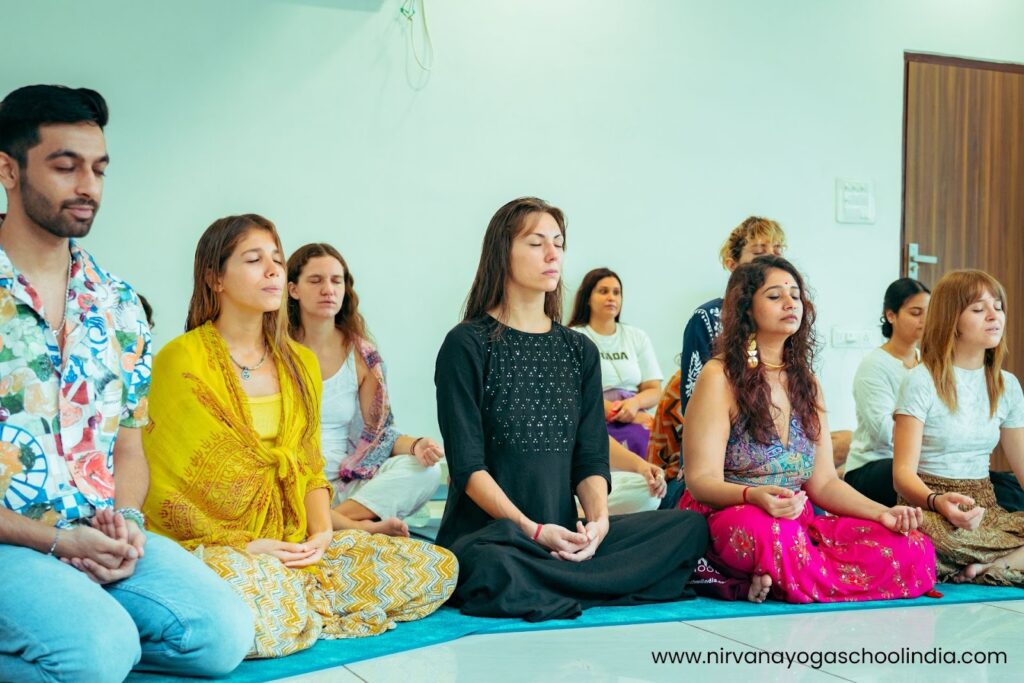
When students see yoga teachers leading dynamic classes—flowing through vinyasas, guiding breathwork, or chanting mantras—they often wonder: What do teachers do when the studio lights dim and the public gaze fades? The answer lies in sadhana, the Sanskrit word for a dedicated personal practice. Sadhana isn't flashy performance; it's the quiet, intimate ritual that keeps teachers grounded, inspired, and authentic.
For yoga instructors like those running international teacher trainings or daily online sessions, sadhana becomes the unseen fuel. It's not about impressing anyone—it's about nourishing the self. This guide shares how experienced teachers design their own sadhana, blending tradition with personal needs for sustainable depth.
What Makes Sadhana Different from Teaching?
Public classes serve students: structured sequences, group energy, and clear instructions. Sadhana serves you: unstructured exploration, inner listening, no audience.
- Teaching is guided by a schedule, curriculum, and student feedback.
- Sadhana follows your body's whispers, life's rhythms, and soul's callings.
Teachers often keep sadhana simple—30-90 minutes daily—prioritizing consistency over intensity. Think less "perfect poses," more "honest presence."
Core Elements of a Teacher's Sadhana
Experienced practitioners layer these foundational practices, adjusting based on energy, season, or life phase.
1. Pranayama: Breath as the Anchor
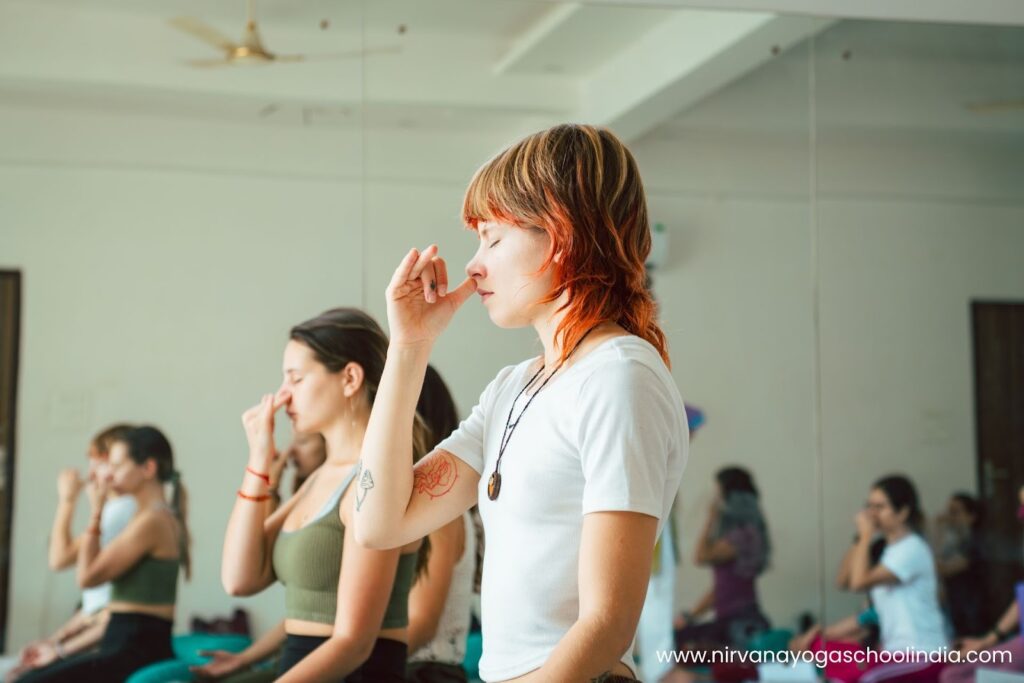
Start here. Breathing regulates the nervous system before the body or mind engages.
- Nadi Shodhana (alternate nostril breathing): 5-10 minutes to balance left/right brain, calm overactive teaching schedules.
- Bhramari (humming bee breath): Releases vocal tension from hours of guiding.
- Kapalabhati: Quick energizer for morning fog, but skip if teaching high-energy classes later.
Teachers tip: Track breath patterns in a journal. "Busy week? My exhale shortens—notice and lengthen."
2. Asana: Intuitive Movement, Not Sequence

Forget class choreography. Sadhana asana responds to today's body.
- Sun salutations with variations: Slow them down—hold hip openers longer if desk work stiffened you.
- Restorative holds: Legs-up-the-wall after late-night student calls.
- Yin for teachers: Long holds in pigeon or forward folds to counter yang-heavy teaching.
Key: 20-40 minutes max. End with savasana. No selfies, no timers—just surrender.
3. Mantra or Japa: Sound for Inner Stillness
Chanting grounds the voice you use publicly.
- Gayatri Mantra: For clarity before lesson planning.
- Om Namah Shivaya: Self-inquiry during transition phases.
- Personal beej mantra: Given by guru, repeated 108 times on mala.
Pro move: Pair with a shruti box or harmonium—perfect for music-savvy teachers blending yoga and melody.
4. Meditation or Dhyana: The Heart of Sadhana
This is where magic happens—beyond teaching's outward focus.
- Vipassana-style body scan: Notice tensions from student interactions.
- Yoga Nidra: 20 minutes for deep recharge.
- Trataka (candle gazing): Sharpens focus dulled by screens.
Duration: Build to 15-30 minutes. Use a timer only if mind wanders excessively.
5. Svadhyaya: Study That Feeds the Soul
End with wisdom absorption—no notes, just immersion.
- Read one Yoga Sutra verse slowly.
- Listen to a 5-minute philosophy talk.
- Journal: "What did today's teaching reveal about me?"
Sample Daily Sadhana Schedules for Teachers
For busy teachers juggling international time zones, family duties, or travel, these adaptable schedules provide structure without rigidity. A 45-minute morning routine might begin with Nadi Shodhana for 5 minutes, followed by 3 rounds of Surya Namaskar for 15 minutes, a 15-minute silent sit, and 10 minutes of Sutra reflection—keeping it efficient yet complete. For a deeper 90-minute dive, start with Bhramari and Kapalabhati for 10 minutes, flow into a full asana sequence for 30 minutes, dedicate 20 minutes to Japa mala, add 20 minutes of Yoga Nidra, and close with 10 minutes of journaling. On the go, a 20-minute travel-light practice could include 5 minutes of alternate nostril breathing, 10 minutes of seated twists, and 5 minutes of gratitude listing. In the evenings, the 45-minute version shifts to 20 minutes of Yin holds, 10 minutes of mantra humming, and 15 minutes of body scan, while the 90-minute option offers 25 minutes of restorative, 15 minutes of Trataka, 20 minutes of Svadhyaya reading, and 30 minutes of Savasana. The quick evening alternative stays simple with 5 minutes of Bhramari, 10 minutes of forward fold, and 5 minutes of one affirming mantra.
Personalizing Your Sadhana: Teacher-Tested Tips
Align with Your Teaching Style
- Vinyasa teachers: Add fluid, creative flows to counter repetition.
- Yin/Restorative leads: Include dynamic pranayama for balance.
- Philosophy-focused: Prioritize svadhyaya and less physicality.
- Music/mantra instructors: Weave harmonium or drum into meditation.
Adjust for Life Phases
- Teaching peaks (TTC season): Short, restorative sadhana.
- Quiet periods: Extend to 2 hours, explore new limbs like pratyahara.
- Travel: Hotel-room micro-practice—breath + one pose + intention.
- Burnout signals: Scale back to 10 minutes; quality trumps quantity.
Common Pitfalls and Fixes
- "Too busy" excuse: Shrink to 11 minutes (1 min each limb + intention).
- Perfectionism: Skip if exhausted—intention counts.
- Stagnation: Rotate elements monthly; invite a teacher's input.
- Distractions: Dedicated corner with altar—phone elsewhere.
Why Sadhana Keeps Teachers Thriving
Public teaching pours out; sadhana refills. Without it:
- Authenticity fades—classes become mechanical.
- Burnout creeps—the student needs to practice self-care.
- Inspiration dries—repetitive cues lose spark.
With it:
- Classes flow from overflow, not obligation.
- You model real practice for students.
- Inner resilience grows, handling critiques or empty rooms gracefully.
One teacher shared: "My sadhana isn't 'better' than class—it's rawer. There, I meet my edges without hiding."
Your First Step: Craft It Today
- Set intention: " What does my body and mind truly crave right now—strength, peace, or clarity?"
- Choose 3 elements: Breath, movement, reflection.
- Time block: Same hour daily, like brushing teeth.
- Track lightly: Weekly note—"How did this feed me?"
- Evolve: Revisit every lunar cycle.
Sadhana isn't a chore—it's your secret garden. The teacher who tends it blooms in every class, connection, and quiet moment.
Ready to design yours? Start small tonight. Your future students—and your deeper self—will thank you.