What are Yin Yoga Poses
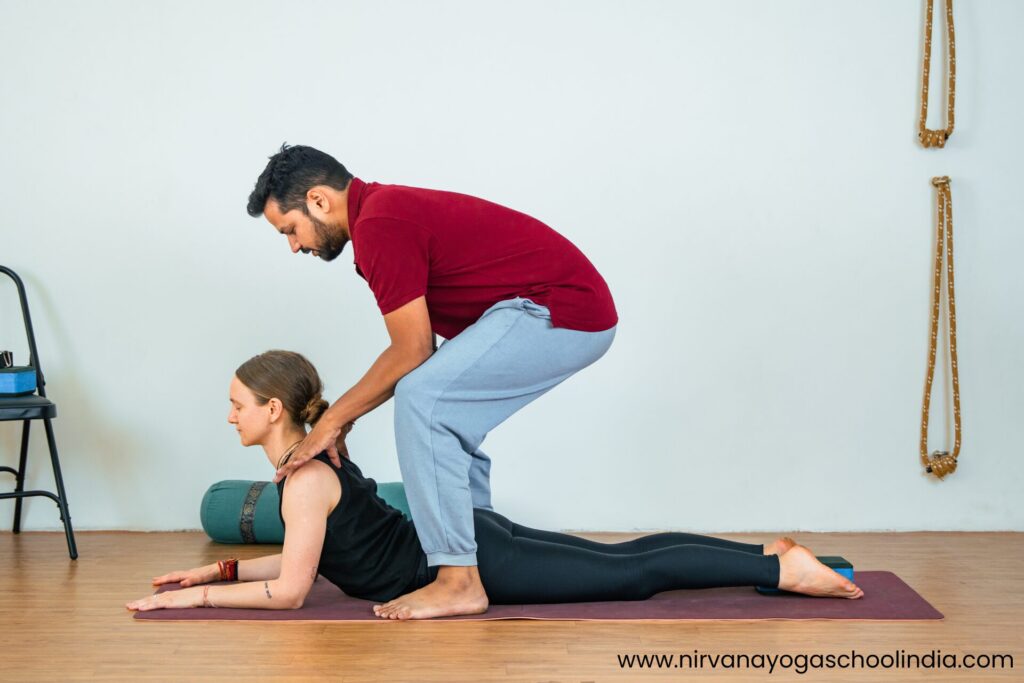
Yin yoga is a slow, meditative style of yoga that involves holding passive poses for extended periods, typically 3 to 5 minutes or longer. Yin yoga works on the body's deeper connective tissues, including fascia, ligaments, and joints.
These poses are practiced with muscles relaxed, often using props like bolsters, blocks, and blankets for support. The long holds allow gravity to deepen the stretch gradually, improving flexibility and joint mobility.
Yin yoga also cultivates mindfulness and meditation skills, as holding poses requires mental stillness and breath awareness. The practice follows the principle that stress, followed by res,t strengthens tissues and promotes healing.
Is Yin Yoga Good For You
Yin yoga offers numerous benefits and is particularly good for specific groups of people. The practice is excellent for improving flexibility and joint mobility since the long-held stretches target deep connective tissues that shorter, dynamic movements don't reach. It enhances circulation in joints and helps maintain their health as we age.
Athletes and people who do high-intensity workouts benefit from a restorative counterbalance to repetitive movements and helps prevent injury by maintaining tissue elasticity. The practice is also ideal for people with sedentary lifestyles or desk jobs who experience tight hips, lower back tension, or poor posture.
The meditative nature of holding poses activates the parasympathetic nervous system, promoting relaxation and reducing anxiety. It's particularly helpful for people dealing with chronic stress, insomnia.
However, people with certain conditions should approach cautiously. Those with hypermobility, joint instability, or acute injuries should consult healthcare providers first. Pregnant women should also seek specialized guidance.
Is Yin Yoga for Beginners
Yin yoga is highly suitable for beginners and is often considered one of the most accessible yoga styles. Unlike more dynamic forms of yoga, yin doesn't require strength, or balance. The poses are performed close to the ground, primarily seated or lying down, which eliminates the challenging factor of complex standing sequences or inversions.
There's no pressure to achieve perfect alignment or push into deep stretches immediately. Instead, practitioners work at their own edge, making yin yoga naturally adaptable to individual flexibility levels and body limitations.
However, beginners should understand that ‘easy’ doesn't mean effortless. Holding poses for several minutes can be mentally challenging, requiring patience and the ability to sit with discomfort. The stillness may initially feel boring or uncomfortable for those accustomed to constant movement or distraction.
Starting with shorter holds (2-3 minutes) and guided classes helps beginners adapt. Using props generously like bolsters, blankets, and blocks makes poses more comfortable.
Benefits of Yin Yoga
Yin yoga's gentle, accessible nature makes it suitable for most people regardless of age or fitness level, offering both physical restoration and mental calm.
- Improves flexibility by targeting deep connective tissues and fascia
- Enhances joint mobility and circulation
- Reduces stress and anxiety by activating the parasympathetic nervous system
- Balances active lifestyles or high-intensity workouts, or sports
- Increases body awareness and mindfulness through sustained holds
- Releases tension from prolonged sitting
- Improves sleep quality through deep relaxation
- Releases emotional tension stored in tissues
- Cultivates patience and mental resilience through meditative practice
Common Causes of Shoulder Stiffness and Pain
Prolonged Desk Work- Sitting at a computer for extended periods forces shoulders into a forward-rolled position, straining muscles and ligaments. This static posture reduces blood flow and causes the shoulder muscles to become chronically tight and fatigued.
Excessive Phone Use- Looking down at smartphones creates "text neck," pulling the head forward and causing the shoulders to round and elevate. This repetitive positioning overworks the upper trapezius and shoulder muscles, leading to persistent tension and discomfort.
Chronic Stress - Emotional stress triggers an involuntary response where people unconsciously raise and tense their shoulders. This prolonged muscle contraction restricts circulation, creates trigger points, and leads to stiffness that can persist even after the stressor passes.
Poor Posture - Slouching, hunching, or asymmetrical positioning throughout the day gradually weakens postural muscles while overworking compensatory ones. The shoulder blade muscles stretch and weaken, while chest muscles tighten, creating an imbalanced system prone to pain and limited mobility.
Yin Yoga Poses For Shoulder
- Melting Heart (Anahatasana)
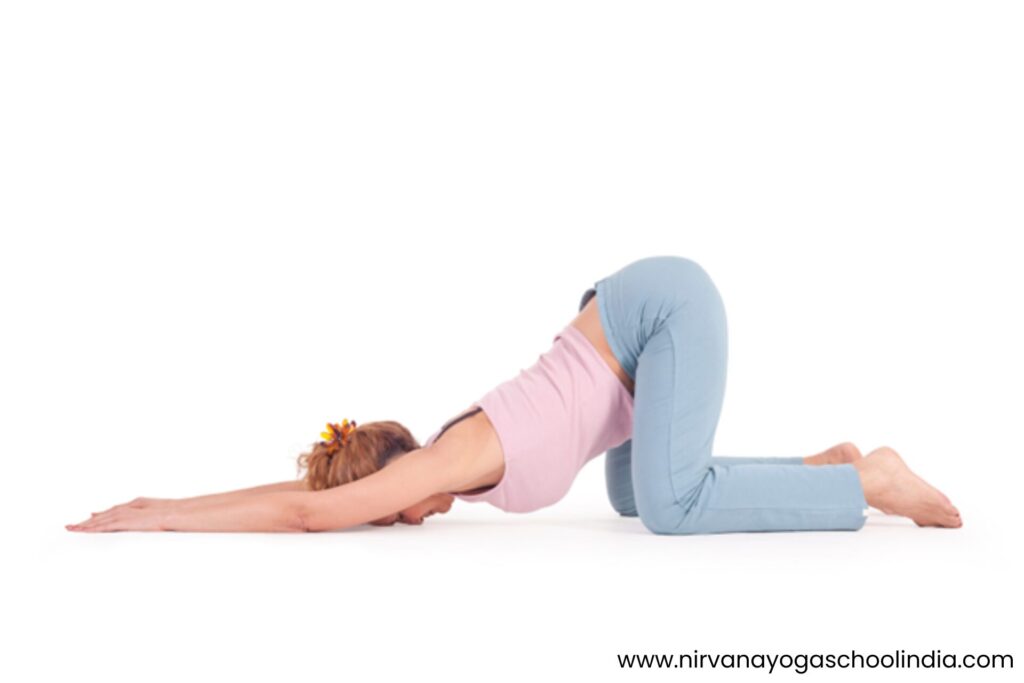
How to do it:
- Come to a tabletop position
- Walk your hands forward, lowering your chest toward the floor
- Keep hips stacked above knees, forehead or chin rests on mat
- Arms can be shoulder-width or wider apart
- Holdthe pose
- Release by sliding forward onto your belly
2. Thread the Needle
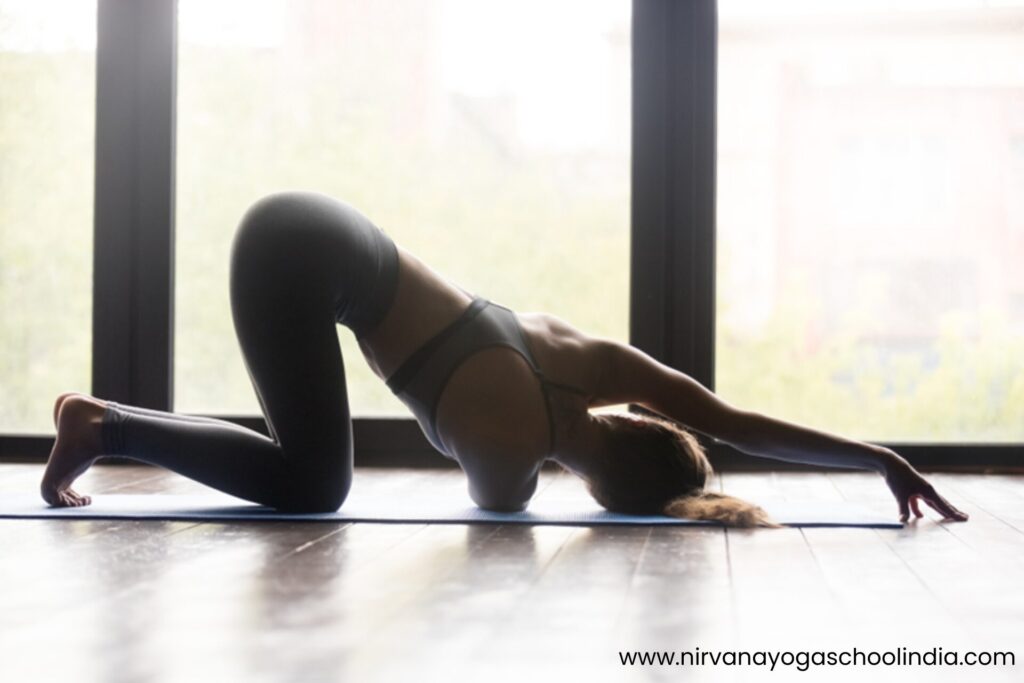
How to do it:
- Begin in tabletop position
- Slide your right arm underneath your left arm, palm facing up
- Rest your right shoulder and ear on the mat
- Left hand can stay planted or reach forward
- Hips remain level, knees under hips
- Hold, then repeat on the other side
3. Reclined Twist
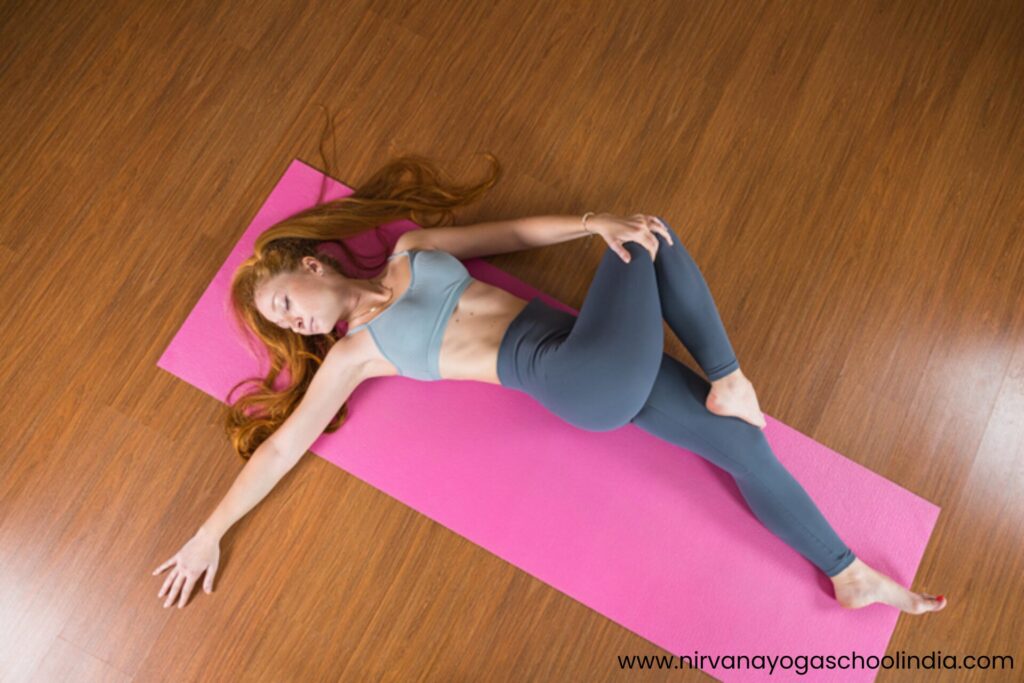
How to do it:
- Lie on your back, extend arms out to sides in a "T"
- Bring right knee closer to chest, then guide it across the body to the left
- Keep right shoulder grounded (use a bolster under knee if needed)
- Turn head to the right
- Hold the pose
4. Supported Fish Pose
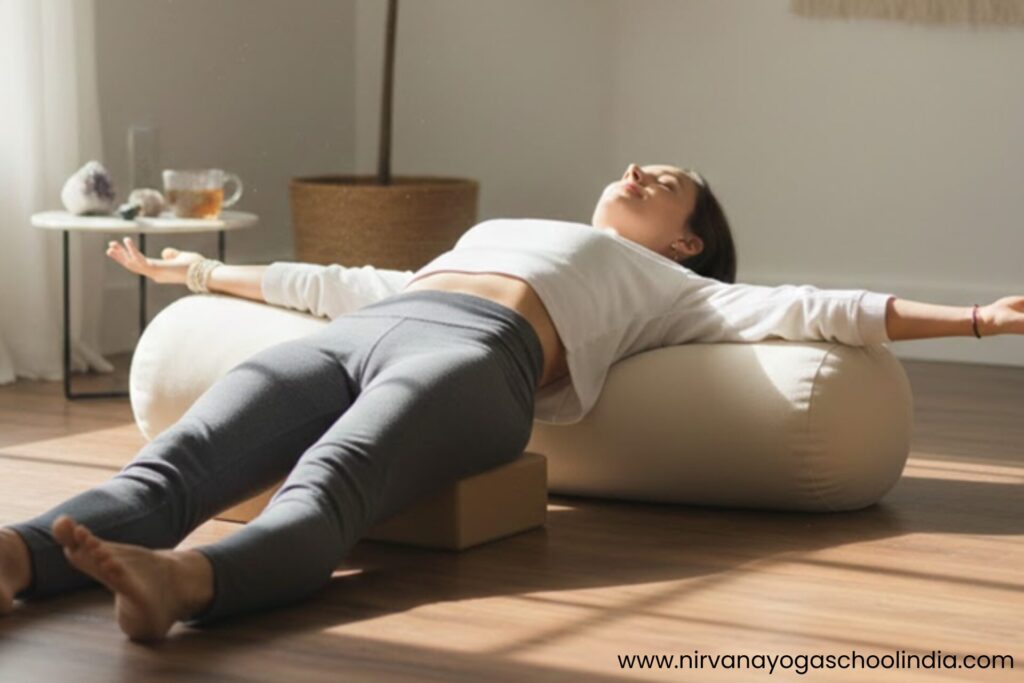
How to do it:
- Place a bolster or rolled blanket lengthwise on your mat
- Lie back so the bolster supports your upper back and head
- Arms rest on floor at 45-degree angle, palms up
- Legs can be extended or in butterfly position
- Opens chest and front of shoulders
- Hold 3-5 minutes
Conclusion
Yin yoga addresses shoulder pain by focusing on fascia and connective tissue rather than muscles. The prolonged holds stimulate tissue rebuilding while activating the body's relaxation response. By addressing tight, dehydrated fascia at the root level, yin yoga restores natural range of motion and improves circulation. Regular practice offers a gentle yet profound pathway to lasting relief, pain-free movement, and improved posture.