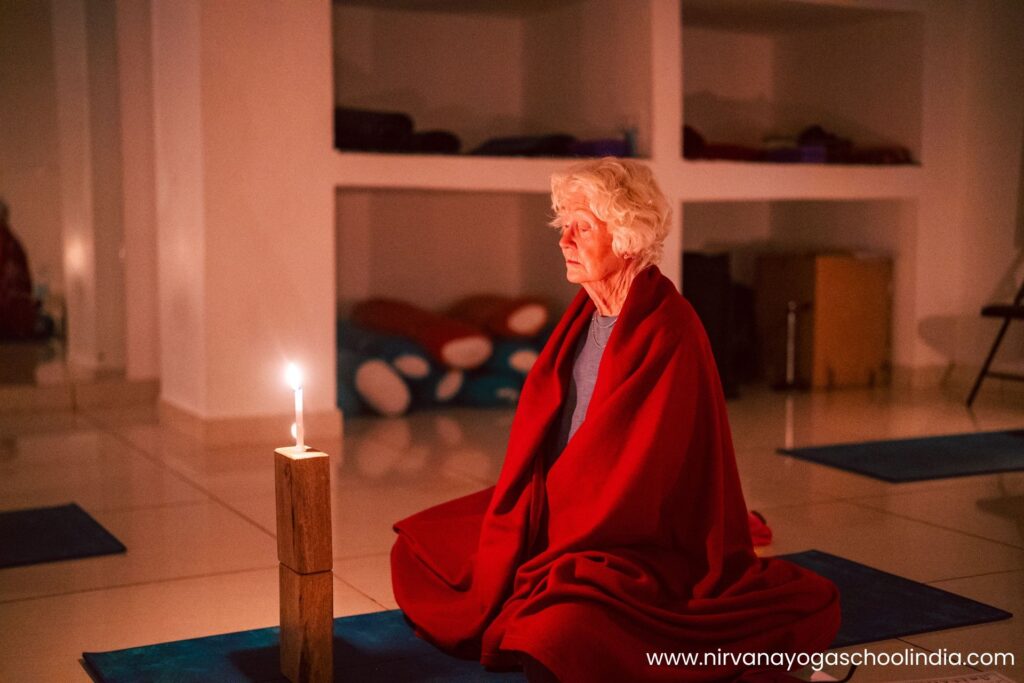
Close your eyes for a moment and try to focus on your breathing.
What happens?
Instead of calm, your brain probably starts sprinting—tomorrow’s to-do list, yesterday’s conversations, and that awkward thing you said years ago suddenly demand center stage. If this sounds familiar, you’re in good company. This exact struggle is why hundreds of millions of people around the world have turned to meditation—and why so many have stayed with it. So what is meditation really? Where did it come from? And why might it be exactly what your busy mind needs right now?
Meditation Isn’t About “Stopping Thoughts”
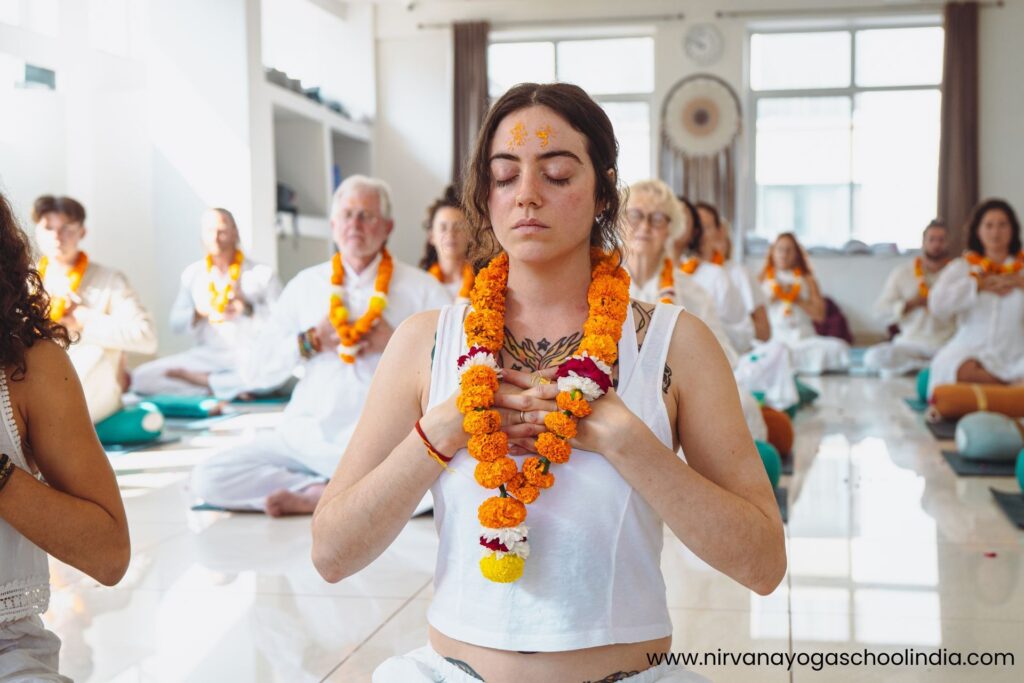
When most people hear the word meditation, they picture monks in silence or yoga studios filled with incense. In reality, meditation is far more practical—and much simpler—than that. At its core, meditation is training your attention. It helps you become aware of what’s happening in the present moment and teaches you to notice your thoughts without getting pulled into them.
Think of it like exercise for your mind. Just as lifting weights strengthens your muscles, meditation strengthens your ability to focus, regulate emotions, and stay steady when life feels overwhelming. You’re not trying to eliminate thoughts—that’s impossible. Instead, you’re learning to relate to them differently.
A Brief History: Ancient Roots, Modern Uses
Meditation is not a modern trend. Its earliest mentions appear around 2500 BCE in ancient Indian Vedic texts, where it was described as a key spiritual discipline. By around 500 BCE, meditation became central to Buddhism after Siddhartha Gautama attained enlightenment, and the practice spread across Asia.
In China, Taoist traditions emphasized harmony with nature and internal balance. In Japan, Zen Buddhism refined meditation into a disciplined, minimalist practice. For centuries, meditation remained primarily a spiritual pursuit within Eastern cultures.
The real shift happened in the mid-1900s. During the 1960s, figures like Maharishi Mahesh Yogi introduced Transcendental Meditation to Western audiences, including celebrities. In the late 1970s, Jon Kabat-Zinn took meditation out of temples and into hospitals by creating Mindfulness-Based Stress Reduction (MBSR).
From that point on, meditation was no longer just spiritual—it became scientific and therapeutic. Today, an estimated 200–500 million people worldwide practice some form of meditation, representing roughly 2–6% of the global population.
Common Myths That Stop People From Meditating
Before learning how to meditate, it helps to clear up a few misconceptions:
“My mind is too busy.”
That’s actually a great reason to meditate. The practice isn’t about silence—it’s about noticing when your mind wanders and bringing it back.
“Meditation is only for spiritual people.”
While it has religious roots, most modern meditation practices are completely secular and grounded in psychology and neuroscience.
“I don’t have enough time.”
Even 5–10 minutes a day can produce benefits. Many people spend far more time scrolling without realizing it.
“I tried once and failed.”
There’s no way to fail at meditation. Every time you notice your attention drifting, you’re doing the practice correctly.
Five Widely Practiced Types of Meditation
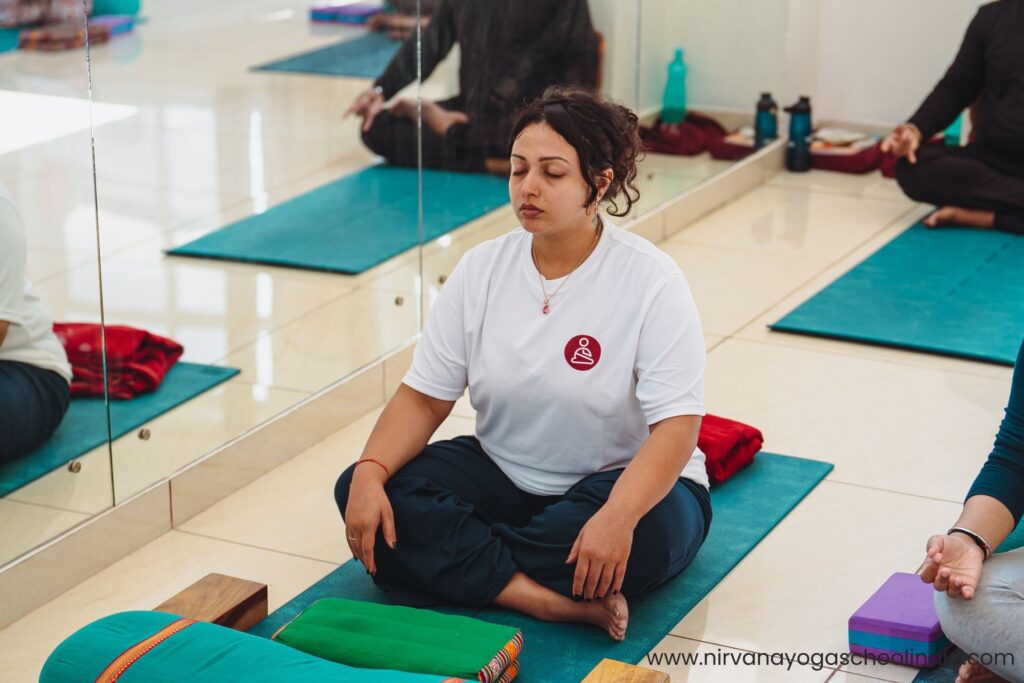
As meditation has grown in popularity—especially in the West—many styles have emerged. These are among the most commonly practiced today.
1. Mindfulness Meditation
This is the most popular approach in Western countries. You sit comfortably, focus on your breathing, and gently return your attention whenever your mind wanders.
There are no mantras, rituals, or special tools required. Over time, mindfulness teaches you to observe thoughts and emotions without judgment—a skill that naturally carries into everyday life.
2. Transcendental Meditation (TM)
Transcendental Meditation involves silently repeating a personalized mantra for about 20 minutes, twice a day. The goal is to move beyond surface-level thinking and experience deep rest.
TM is typically taught by certified instructors and follows a structured format. Many people appreciate its simplicity and consistency.
3. Vipassana Meditation
One of the earliest forms of Buddhist meditation is vipassana, which means “insight” in Pali. It focuses on observing bodily sensations and mental events to understand impermanence and the nature of suffering.
Traditional Vipassana retreats last ten days and involve long hours of silent meditation. However, its principles can be practiced in shorter, more accessible sessions.
4. Zen Meditation (Zazen)
Zen meditation emphasizes “just sitting.” Practitioners sit upright with eyes partially open, focusing on presence itself rather than a specific object.
This form of meditation is often practiced in a group setting with guidance from a teacher. It can feel strict, but many experienced meditators value its discipline and clarity.
5. LovingKindness Meditation (Metta)
This practice centers on cultivating compassion. You silently repeat phrases wishing happiness and safety—first for yourself, then for others, and eventually for all beings.
Lovingkindness meditation has been shown to increase empathy, reduce negative emotions, and improve relationships, especially for those who struggle with self-criticism.
Why So Many People Meditate
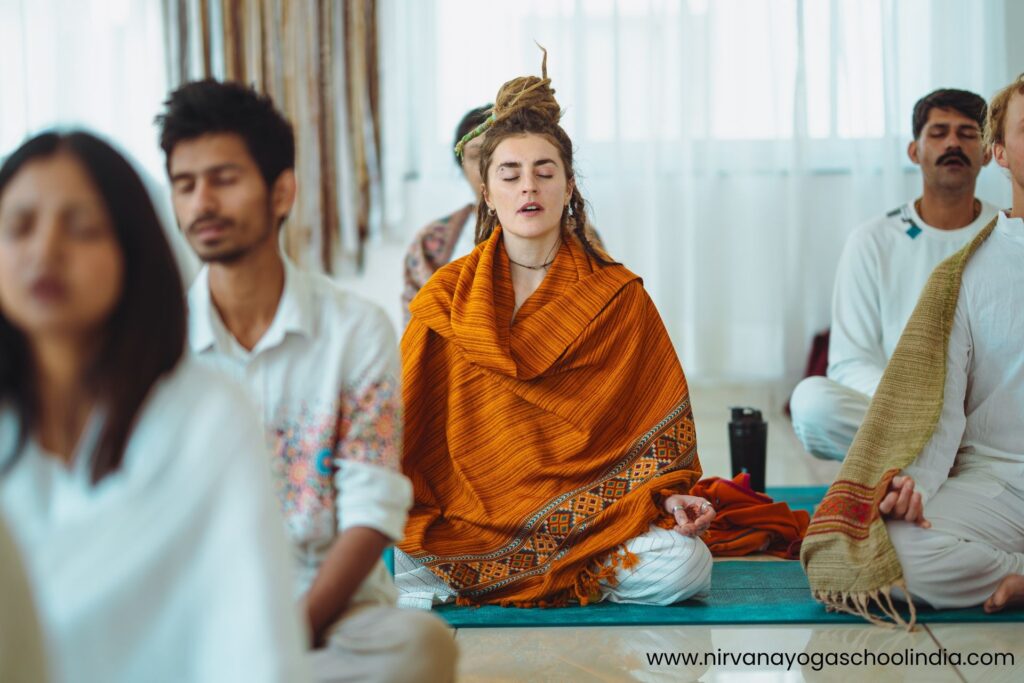
Interest in meditation surged during the pandemic, with global usage increasing dramatically—but people continue practicing because it works.
Stress Reduction: Most people meditate to manage stress. Research shows meditation lowers cortisol and activates the body’s relaxation response.
Mental Health: Regular mindfulness practice is linked to reduced anxiety and a lower risk of depression relapse, especially when combined with therapy.
Physical Health: Meditation has been associated with lower blood pressure, reduced chronic pain, and improved daily functioning for people with long-term conditions.
Brain Function: Even a few days of practice can improve attention. Long-term meditation is linked to increased gray matter in areas of the brain related to learning and memory.
Work Performance: Organizations that introduce meditation programs often report better focus, reduced stress, and higher productivity among employees.
Sleep and Immunity: Meditation can improve sleep quality and may support immune health by influencing cellular aging processes.
How to Begin Your Practice
Getting started doesn’t require anything fancy.
Start with five minutes a day. Find a comfortable seat to sit on. Set a timer. Focus on your breath. When your mind gets distracted, gently guide it back.
That’s the entire practice.
There’s no “perfect” meditation session. Even restless sessions are valuable because noticing distraction is the exercise itself. Apps, classes, or group sessions can help at first, but meditation is something you can always practice on your own.
In a world that constantly pulls your attention outward, meditation is a way to come back—to the present moment, to your breath, and to yourself.